
Exclusives
How this Singapore-based microlending platform demystifies cryptocurrency

How this Singapore-based microlending platform demystifies cryptocurrency
Gen Z: The trials and tribulations of seeking employment

Bridge+ at 79 Robinson Road provides fintech community space, avenue for collaborations

A bridge over digitalised water: Smart Water brings Singapore and Netherlands together
Singapore's F&B industry banks on digitalisation to survive circuit breaker

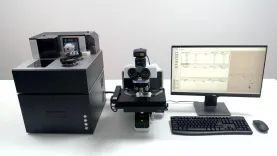
How this tech startup started a new wave for smart scanner solutions

Marketing Briefing: F&B, groceries to thrive in 24/7 service

How can SMEs start investing in their cybersecurity?

Digitalisation creeping into non-tech roles as Singapore banks accelerate hiring

Recovery relies on border restrictions easing

HR Briefing: Drawing the line between work-from-home and life-at-home

Legal Briefing: The Electronic Transaction Amendment Act: A step to the digital future?

Singapore takes a lion share of Southeast Asian M&As

The lack of innovation in Singapore’s telco industry

ESG funds, the next trend in early stage investments?

Hugo: The yellow brick road and why the path is paved with gold

Cobots roll out: Helping Singapore’s SMEs one robot at a time











 Read Here
 Advertise
 Sign Up




![[Singapore Business Review] Report on the Asian Business Channel](https://www.cmgassets.com/s3fs-public/styles/video_thumbnail/public/2026-10/full-show-thumbnail_1.png.webp?VersionId=bJbrT_JKOuMWBnf7YkmsWjOSWIXddSvY&itok=zWuxHRNG)










Commentary
When scale arrives before proof: Singapore’s capital allocation question in Southeast Asia
Rethinking fleet ownership in a changing business landscape
Beyond the chips: The materials behind Singapore’s AI infrastructure
How homegrown brands are redefining premium in Asia
AI in hospitality: Where should Singapore’s F&B operators draw the line?
Do Singapore workplaces mistake silence for leadership?
AI as the new competitive advantage for Singapore’s small retailers
Singapore's next payments opportunity