
Finance and pharma drive Singapore CBD office demand
Premium space consolidation and limited new supply sustain rent growth.
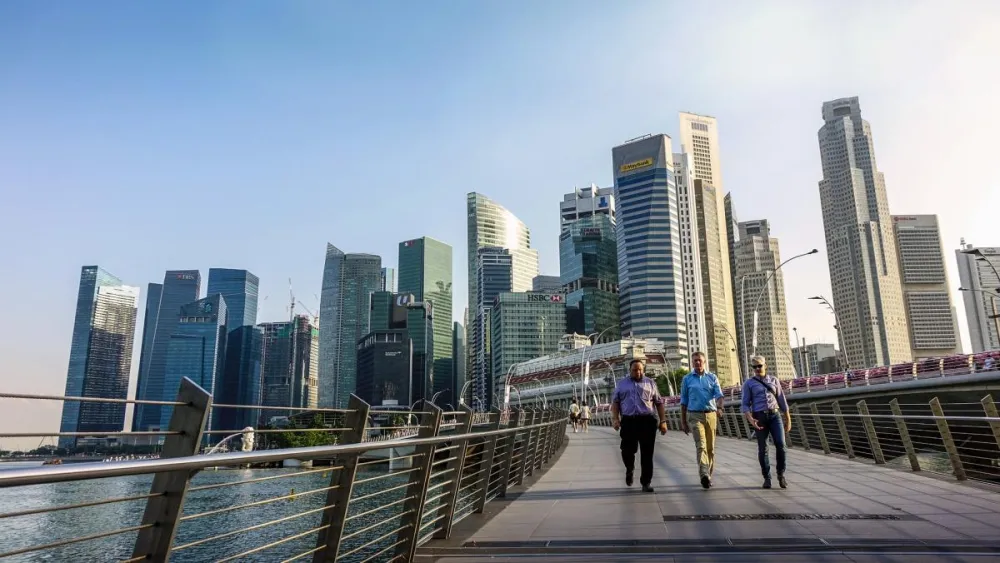
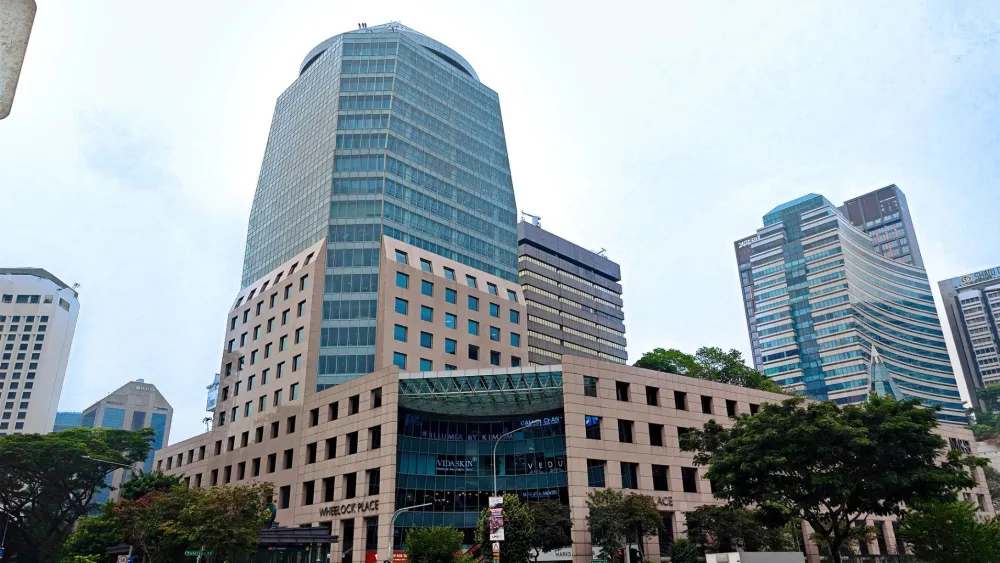
Singapore’s central business district (CBD) office market continues to tighten as rents rise and vacancies fall to 5.3%, driven primarily by finance and pharmaceutical firms consolidating operations and upgrading to higher-quality office spaces.
According to Bastiaan van Beijsterveldt, Managing Director at Colliers Singapore, the surge in leasing activity reflects “a lot of what we call flight quality. So both sectors really prioritise the kind of premium, well-located offices to really attract talent and have people announce their workplace experience when they work from the office.”
Beyond workplace appeal, operational efficiency and consolidation are major motivators. “Both finance firms and the pharma firms, we see them continuing, consolidating regional operations in Singapore,” said van Beijsterveldt. “On the finance side, we don’t only see the major banks, but also hedge funds, crypto-related companies, asset managers, investment firms… On the pharma side, we see multiple organisations expanding their R&D facilities, their regional headquarters.”
He added that proactive government incentives are also supporting this consolidation trend. “The proactive government incentives and initiatives is also really what drives some of these consolidations here and some of these growing organisations in Singapore,” van Beijsterveldt noted.
From Ashley Swan, Executive Director of Commercial & Leasing at Savills Singapore, the momentum appears steady rather than explosive. “We are not really seeing a surge in the demand [...] it’s more of a steady growth,” he said.
Swan pointed out that non-traditional players are taking the lead. “It’s not the traditional banks that are growing in terms of demand. We are seeing more other areas, like asset management, private equity, quant trading.”
Looking ahead, limited new supply will help sustain rents. However, both experts warned that global uncertainty and rising costs could affect decision-making. “Singapore remains very sensitive to macroeconomic factors,” Swan said. “This will mean that MNCs will continue to assess the viability of maintaining certain roles in Singapore.”











![[Singapore Business Review] Report on the Asian Business Channel](https://www.cmgassets.com/s3fs-public/styles/video_thumbnail/public/2026-10/full-show-thumbnail_1.png.webp?VersionId=bJbrT_JKOuMWBnf7YkmsWjOSWIXddSvY&itok=zWuxHRNG)













 Read Here
 Advertise
 Sign Up







Commentary
When scale arrives before proof: Singapore’s capital allocation question in Southeast Asia
Rethinking fleet ownership in a changing business landscape
Beyond the chips: The materials behind Singapore’s AI infrastructure
How homegrown brands are redefining premium in Asia
AI in hospitality: Where should Singapore’s F&B operators draw the line?
Do Singapore workplaces mistake silence for leadership?
AI as the new competitive advantage for Singapore’s small retailers
Singapore's next payments opportunity