
Rising costs force rethink of Singapore’s 2030 manufacturing goal
Supply disruptions, and digital gaps could derail its manufacturing growth target.
Singapore’s manufacturing sector is under pressure to stay on track toward its 2030 growth vision as costs rise and global supply chains remain fragile.
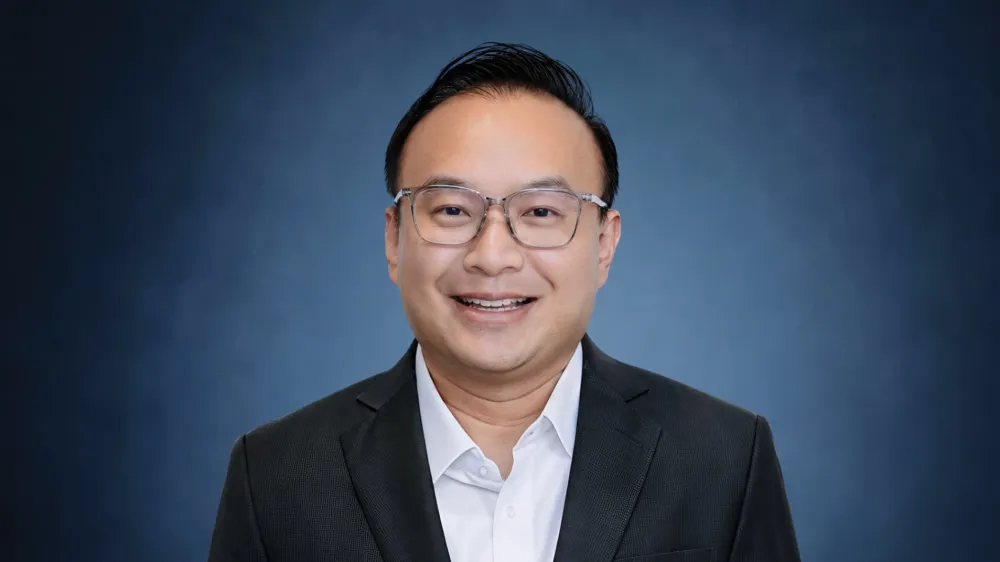
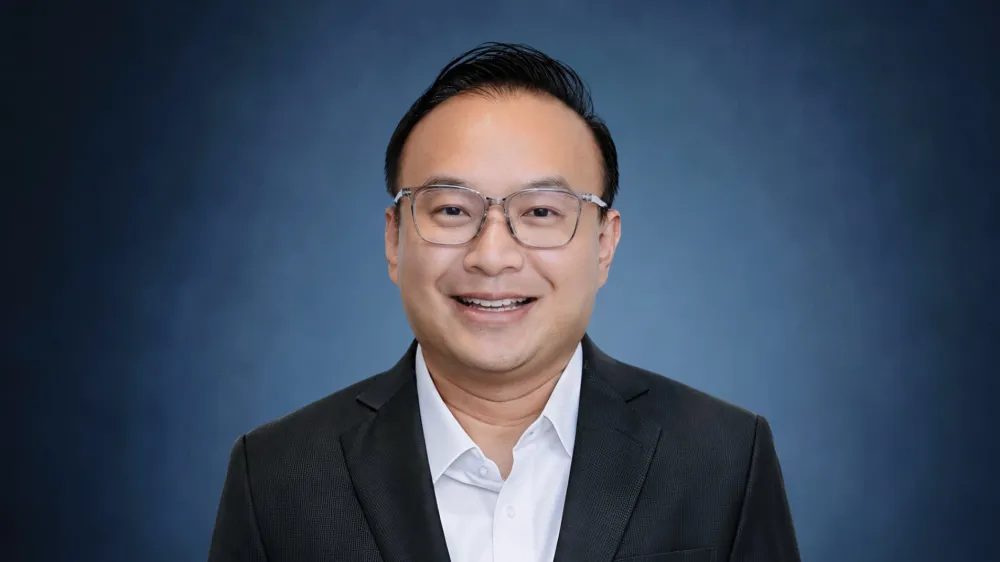
According to Lennon Tan, President of the Singapore Manufacturing Federation (SMF), the industry’s challenges are no longer about output alone but structural shifts in how production is planned and priced.
“We are facing a little bit of headwind in terms of the cost concern, as well as the disruption of our supply chain ever since the Liberation Day,” Tan said. “It is no longer the cheapest way of doing things, but the most tax-efficient way of doing things. So these are some of the challenges faced by our manufacturers here.”
Cost pressures test long-term goals
The Ministry of Trade and Industry’s 2020 target to raise manufacturing value by 50% by 2030 remains on course, Tan confirmed. “We are on track to hitting that 50%,” he said.
However, sustaining this growth will demand deeper innovation and cross-border integration. “Our businesses are resilient,” he said. “We are setting up this platform whereby our local supply chains can work with these multinationals and really plug into the global supply chain by way of innovation. We are encouraging them to source more locally.”
This collaboration, Tan said, will help local firms move up the value chain while securing Singapore’s position as a high-value manufacturing hub.
Semiconductors and medtech lead recovery momentum
Tan highlighted that the semiconductor and medtech sectors remain bright spots. “We are currently standing at roughly 10% output of global chip supplies Singapore, and for semiconductor equipment, we are currently supplying about 20% of the global demand,” he said.
Medtech, too, is accelerating. “We see a very robust as well as vibrant area in this medtech industry,” he added, noting strong R&D and startup support from the government.
SMF pushes for digital and sustainable transformation
To help firms adapt, SMF is focusing on four pillars: sustainability, human capital, internationalisation, and productivity. “We do believe that in the long term, businesses have to look at sustainable growth,” Tan said, citing initiatives like Chief Sustainability Officer as a Service and Chief AI Officer as a Service.
Tan sees Industry 5.0, where humans and machines collaborate through AI, as a key step forward. “Manpower is a big cost in Singapore, and this kind of technology really helps in terms of productivity,” he said.
He concluded that long-term resilience depends on one core factor: “Nothing replaces innovation. The real resiliency within any corporation is innovation.”






![[Singapore Business Review] Report on the Asian Business Channel](https://www.cmgassets.com/s3fs-public/styles/video_thumbnail/public/2026-10/full-show-thumbnail_1.png.webp?VersionId=bJbrT_JKOuMWBnf7YkmsWjOSWIXddSvY&itok=zWuxHRNG)











 Read Here
 Advertise
 Sign Up






Commentary
When scale arrives before proof: Singapore’s capital allocation question in Southeast Asia
Rethinking fleet ownership in a changing business landscape
Beyond the chips: The materials behind Singapore’s AI infrastructure
How homegrown brands are redefining premium in Asia
AI in hospitality: Where should Singapore’s F&B operators draw the line?
Do Singapore workplaces mistake silence for leadership?
AI as the new competitive advantage for Singapore’s small retailers
Singapore's next payments opportunity