
Singapore retailers face cross-border spending pressure
Groceries, fashion, and casual dining face the greatest exposure as Johor Bahru access changes where consumers shop.
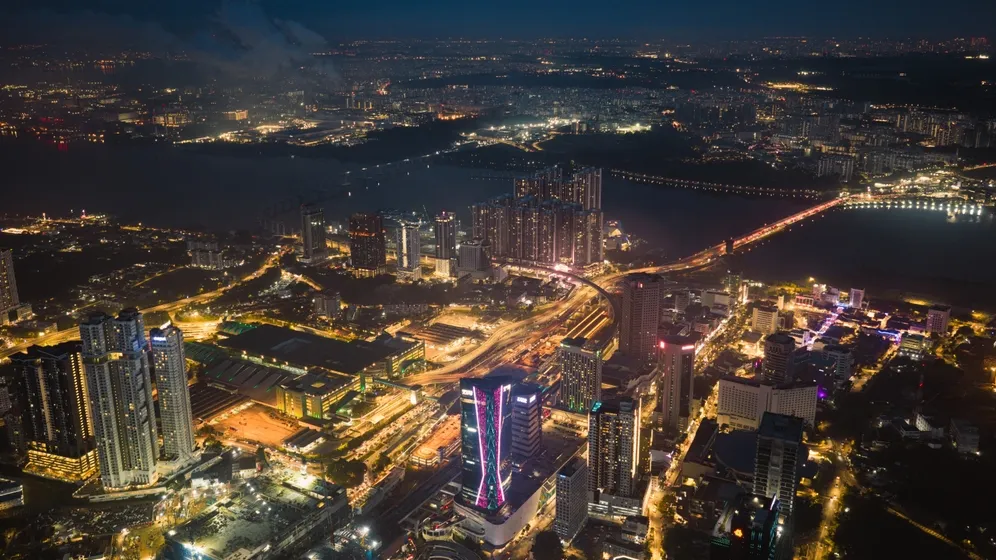
Singapore retailers may face greater pressure to defend both everyday and discretionary spending once the Johor Bahru–Singapore Rapid Transit System Link makes cross-border shopping easier and more routine.
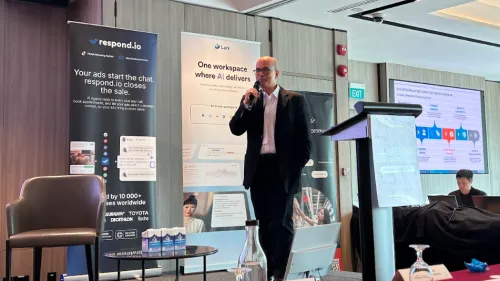
Blackbox Research found that Singapore visitors could redirect an average of about S$250 a month to Johor Bahru after the link opens. Glenn Wray, Head of Strategy and Marketing at Blackbox Research, said smaller businesses may feel the impact most as consumers gain easier access to cheaper or more attractive alternatives across the Causeway.
“Many businesses, especially smaller ones, will be a little bit concerned as to how they can maintain and sustain their level of business,” Wray said.
Groceries ranked first amongst the categories consumers expect to spend on in Johor Bahru, followed by clothing, footwear and accessories, then casual dining and cafes. Wray said the shift could affect shoppers looking for everyday savings as well as those seeking lifestyle purchases or bargains unavailable in Singapore.
He does not expect the change to remain a first-year novelty, although spending habits are unlikely to settle immediately. Early travel could partly reflect curiosity, whilst infrastructure around Bukit Chagar may still create friction because passengers will need onward transport to reach malls and other destinations.
“It won't be totally frictionless as it's been marketed in some places,” Wray said.
Over time, he expects the commercial impact to depend on whether businesses on both sides create reasons to visit beyond lower prices. Wray said stronger value propositions, broader choice and better retail experiences could determine whether cross-border shopping develops into a lasting part of consumer behaviour.
He added that the bigger opportunity is for Singapore and Johor Bahru to build closer commercial links rather than treat the RTS Link solely as a bargain-hunting route.
“Better businesses, better value propositions in businesses beyond merely the price points alone, more choice, and just a bit of optimistic, imaginative retail,” Wray said.










![[Singapore Business Review] Report on the Asian Business Channel](https://www.cmgassets.com/s3fs-public/styles/video_thumbnail/public/2026-10/full-show-thumbnail_1.png.webp?VersionId=bJbrT_JKOuMWBnf7YkmsWjOSWIXddSvY&itok=zWuxHRNG)













 Read Here
 Advertise
 Sign Up







Commentary
When scale arrives before proof: Singapore’s capital allocation question in Southeast Asia
Rethinking fleet ownership in a changing business landscape
Beyond the chips: The materials behind Singapore’s AI infrastructure
How homegrown brands are redefining premium in Asia
AI in hospitality: Where should Singapore’s F&B operators draw the line?
Do Singapore workplaces mistake silence for leadership?
AI as the new competitive advantage for Singapore’s small retailers
Singapore's next payments opportunity