
Singapore sustains world-leading record in public safety
Almost all residents feel safe walking at night.
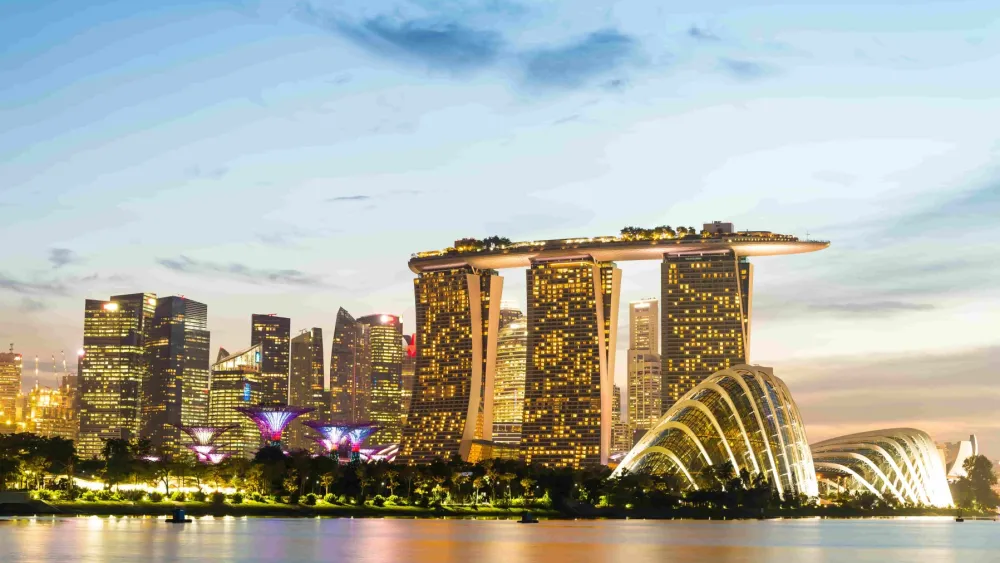
Singapore has once again been ranked the world’s safest country, topping Gallup’s Global Safety Report for the twelfth time since 2006. The survey found that 98% of residents feel safe walking at night, underscoring the city-state’s consistent record in public security.
“Feelings of safety in the city state have remained remarkably stable, never falling below 94% in the past five measurements,” said Shruti Rastogi, Head of Consulting for Southeast Asia at Gallup. She pointed to Singapore’s “long standing reputation for low crime, effective law enforcement and strong public order,” supported by proactive urban planning, efficient transport, well-lit streets, and digital surveillance.
Singapore’s gender parity in safety also stands out globally. “In 2024, 98% of men and 97% women said this, feeling safe walking alone at night,” Rastogi said, adding that the country’s integrated model of governance, infrastructure, and community engagement continues to set a benchmark for urban security.
Beyond public order, Gallup’s findings link safety to quality of life. Kanika Singh, Regional Director, Gallup, said, “Public safety is really one of the most quietly powerful contributors to overall quality of life in Singapore, it's almost woven into the fabric of our daily lives so seamlessly that we almost take it for granted.”
She cited Gallup’s 2025 State of the Global Workplace report showing 42% of Singaporeans say they are thriving, one of the highest rates in the region. “This sense of thriving is deeply connected to freedom and confidence that the safety factors enable,” Singh added, noting that it allows women to work late, families to enjoy parks after dark, and individuals to exercise at night.
Safety also plays directly into investor confidence. “Security is not just a social good, it is a strategic economic asset,” Rastogi said. “Singapore's reputation for safety, both physical and regulatory, creates a quiet assurance that business can be conducted without disruption.” She highlighted stable rules, robust legal frameworks, and credibility of institutions as core to Singapore’s appeal as a trusted investment hub.
Looking ahead, new risks are emerging. Singh pointed to cybercrime, scams, and immigration-related offenses as growing threats, alongside demographic pressures from an ageing population. “Singapore must continue investing in community cohesion, great urban design, transparency, so that safety can feel very inclusive regardless of age, gender or background,” she said. Still, she expressed confidence that “Singapore will continue to stay ahead in shaping great policies that can handle some of these challenges.”











![[Singapore Business Review] Report on the Asian Business Channel](https://www.cmgassets.com/s3fs-public/styles/video_thumbnail/public/2026-10/full-show-thumbnail_1.png.webp?VersionId=bJbrT_JKOuMWBnf7YkmsWjOSWIXddSvY&itok=zWuxHRNG)












 Read Here
 Advertise
 Sign Up







Commentary
When scale arrives before proof: Singapore’s capital allocation question in Southeast Asia
Rethinking fleet ownership in a changing business landscape
Beyond the chips: The materials behind Singapore’s AI infrastructure
How homegrown brands are redefining premium in Asia
AI in hospitality: Where should Singapore’s F&B operators draw the line?
Do Singapore workplaces mistake silence for leadership?
AI as the new competitive advantage for Singapore’s small retailers
Singapore's next payments opportunity