
Solar expansion strains grid with midday oversupply
A fast-growing solar fleet is exposing grid limits as midday oversupply intensifies.
Singapore’s rapid buildout of solar capacity is beginning to test the resilience and flexibility of the national grid, as rising midday oversupply pushes curtailment risks higher. With installed capacity surpassing 1.64 GWp across more than 11,000 installations, the country’s solar ambitions are entering a critical new phase: managing integration rather than deployment.
Karambir Anand, Managing Partner at YCP Southeast Asia, said strong growth has been fuelled by policy, economics and corporate demand. Government targets, particularly the 2 GW goal by 2030, have mobilised agencies such as HDB and PUB, while sharply falling costs have made deployment commercially viable.
“When you look at the cost of solar panels, it's gone down by 80 to 90% just in the last decade,” Anand noted. At the same time, large energy consumers are committing to long-term power purchase agreements as they work toward decarbonisation. “They have their own decarb goals… and they are the ones who are now signing long term power purchase agreements.”
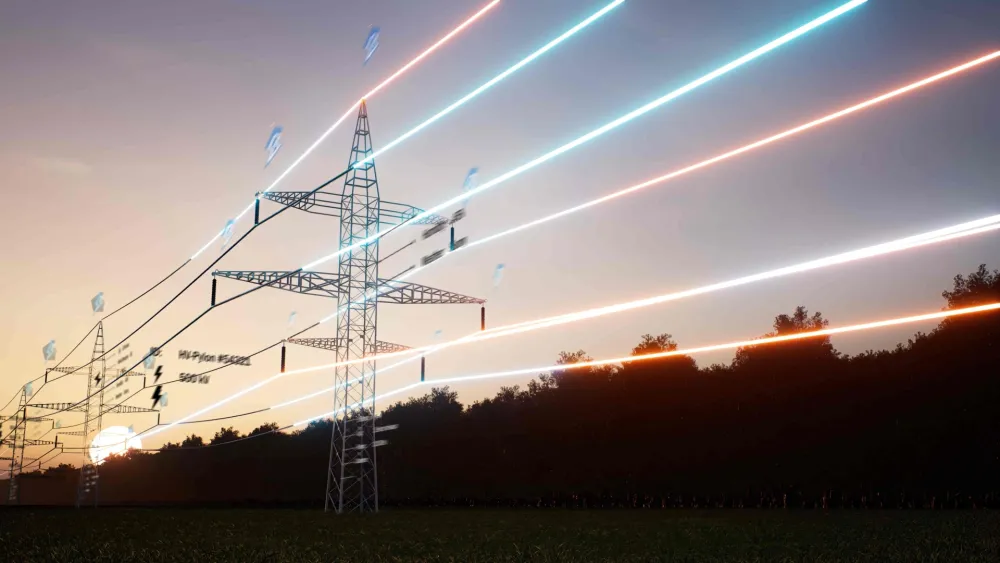
But this momentum is now creating structural pressure on the grid. “Our grid historically has been optimised for steady state gas fired generation, not for a sharp midday spike in solar output,” Anand said. Solar’s share of the mix has climbed from 4% to 10% in five years, while daytime consumption—especially on weekends and holidays—has not kept pace. Without flexible demand, storage or export pathways, excess generation must be curtailed to maintain stability.
The mismatch is becoming harder to ignore. “The mismatch between midday supply and demand is actually becoming more noticeable every year, and it's becoming an operational challenge,” Anand said.
While not a crisis, the rapid ramping required of gas plants in the evening is “costly and stressful for the equipment,” and industrial loads remain too flat to absorb surplus power. As capacity approaches the 2 GW mark, “it's a real operational issue that will intensify.”
“Going forward, it's not about solar deployment… It's really about solar integration,” he said. Dynamic time-of-use pricing, behavioural incentives, demand response programmes, and widespread storage will be essential to “capture the surplus power during the day and release it later on, reducing curtailment and stabilising the grid.”







![[Singapore Business Review] Report on the Asian Business Channel](https://www.cmgassets.com/s3fs-public/styles/video_thumbnail/public/2026-10/full-show-thumbnail_1.png.webp?VersionId=bJbrT_JKOuMWBnf7YkmsWjOSWIXddSvY&itok=zWuxHRNG)













 Read Here
 Advertise
 Sign Up




Commentary
When scale arrives before proof: Singapore’s capital allocation question in Southeast Asia
Rethinking fleet ownership in a changing business landscape
Beyond the chips: The materials behind Singapore’s AI infrastructure
How homegrown brands are redefining premium in Asia
AI in hospitality: Where should Singapore’s F&B operators draw the line?
Do Singapore workplaces mistake silence for leadership?
AI as the new competitive advantage for Singapore’s small retailers
Singapore's next payments opportunity