
Stricter AML rules push firms toward advanced tech
MAS’s tougher guidelines raise compliance standards and accelerate AI adoption.
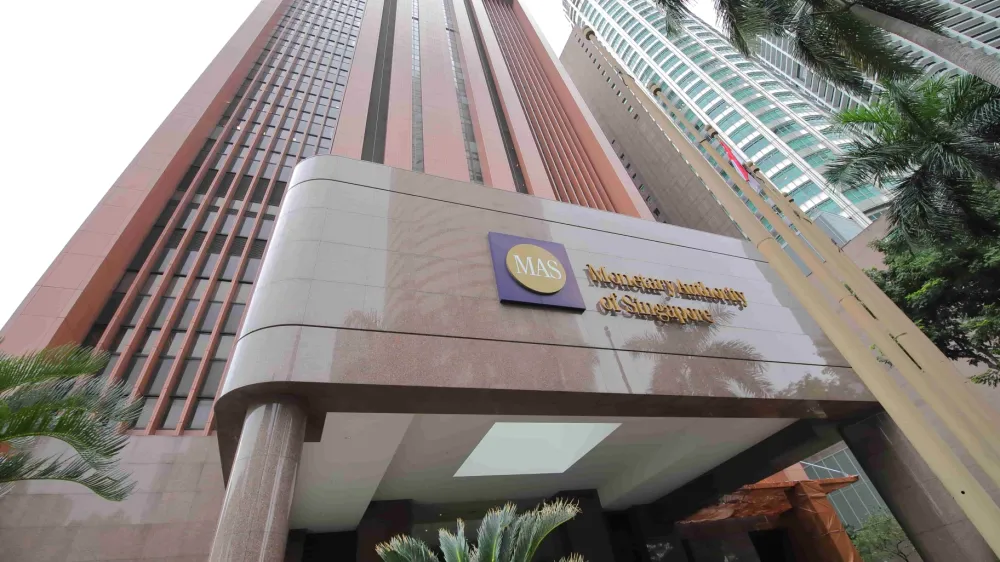
Singapore’s regulatory environment is entering a new phase of intensity as the Monetary Authority of Singapore (MAS) tightens anti-money laundering (AML) rules, imposing S$27.45 million in composition penalties on nine financial institutions for related breaches. Legal and compliance experts say the revised guidelines fundamentally shift expectations for due diligence, technology adoption, and investigative accuracy across the sector.
Dillion Chua, Associate Director at BR Law Corporation, said the impact goes beyond adding new tasks to compliance workflows. “The most significant change actually isn't just about creating new tasks for compliance teams. Instead, it's about a fundamental shift in the legal standard of care expected of them,” he noted. This shift raises what counts as a defensible compliance position. “What was considered adequate or acceptable due diligence yesterday may no longer be legally defensible tomorrow,” he added.
Chua highlighted that tighter STR deadlines effectively create “a de facto mandate for technology,” as manual processes alone can no longer meet regulatory expectations. Advanced analytics and AI will be needed “to improve accuracy and efficiency.”
Irene Liu, Managing Director, Risk and Compliance, Southeast Asia at Accenture, said the tightening aligns with supervisory expectations long communicated to the industry. However, she noted that stricter source-of-wealth requirements have had “major repercussions,” forcing institutions to “redesign the existing processes and policies” and even “re perform the source of wealth review exercises” for affected customers. This, she said, drives “the need for technology tools to support them.”
As firms deploy more advanced technology, risks follow. Liu emphasised four dependency areas: data, policy clarity, desired outcomes, and regulations. She warned of AI-related risks such as “bias, outcomes, lack of transparency and ethical concerns,” noting that models can unintentionally discriminate.
Chua added that accountability remains squarely with firms. “It might not be sufficient to simply say… the AI recommended it,” he said, cautioning that firms must provide “clear and auditable reasons” for AI-driven decisions. He also underscored the need for rigorous due diligence on technology solutions to understand “what it does, how it works, what are the shortcomings.”
Despite the risks, AI offers transformational gains for AML accuracy. Chua pointed out that legacy systems create overwhelming false positives, causing teams to miss critical risks. By adopting AI, firms can “implement dynamic fine grain rules” and better uncover “complex networks.”
Liu added that machine learning enables “intelligent investigation,” natural-language processing streamlines manual reviews, and advanced analytics detect hidden typologies. AI also boosts efficiency through predictive allocation of complex cases to skilled investigators.











![[Singapore Business Review] Report on the Asian Business Channel](https://www.cmgassets.com/s3fs-public/styles/video_thumbnail/public/2026-10/full-show-thumbnail_1.png.webp?VersionId=bJbrT_JKOuMWBnf7YkmsWjOSWIXddSvY&itok=zWuxHRNG)












 Read Here
 Advertise
 Sign Up







Commentary
When scale arrives before proof: Singapore’s capital allocation question in Southeast Asia
Rethinking fleet ownership in a changing business landscape
Beyond the chips: The materials behind Singapore’s AI infrastructure
How homegrown brands are redefining premium in Asia
AI in hospitality: Where should Singapore’s F&B operators draw the line?
Do Singapore workplaces mistake silence for leadership?
AI as the new competitive advantage for Singapore’s small retailers
Singapore's next payments opportunity