
Tax policy pulls Singapore down global competitiveness ranking
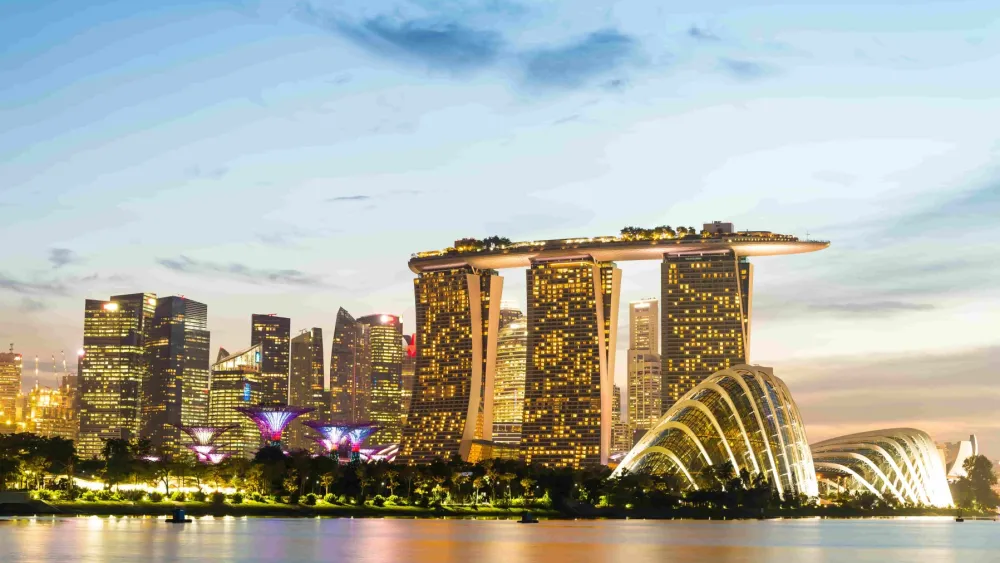
Singapore slips to second place behind Switzerland in the IMD World Competitiveness Ranking.
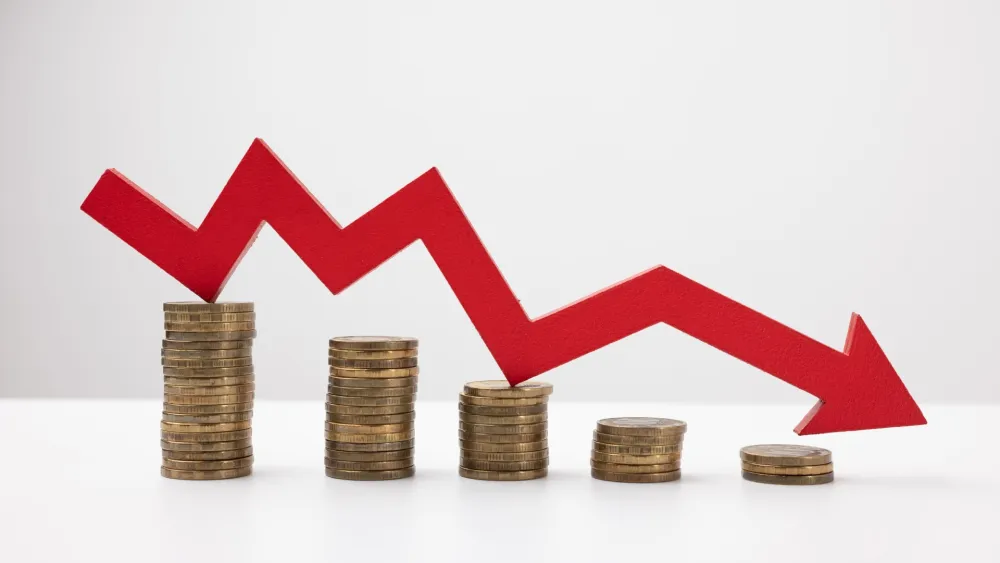
Singapore has fallen to the world’s second-most competitive economy after Switzerland, as changes in tax policy drove a decline in government efficiency and weakened its position in the IMD World Competitiveness Ranking.
Pushpin Singh, Managing Economist at the Centre for Economics and Business Research (CEBR), pointed to tax measures as the main factor behind the city-state’s drop. “Singapore's ranking on the tax policy sub pillar dropped five positions from 10th to 15th over the last year. It could be reflective of the recent GST hikes that the government has embarked on, which has increased to 8% in 2023 and then phased again to 9% [in] 2024.”
While GST is structured as a consumer tax, Singh noted that businesses are ultimately bearing some of the costs. “It is inevitable that businesses will eventually bear some cost of it as well through perhaps compliance costs, cash flow strains, margin pressures, and these are more likely to weigh on SMEs rather than large businesses,” he said.
Singapore’s decline came as Switzerland maintained stability. “Switzerland's performance and its ability to overtake Singapore in this year's index is much more a team of relative stability, rather than having kind of gotten an edge over Singapore,” Singh explained.
He said Switzerland’s strong currency and disciplined budget shielded it from global inflationary pressures and downturns, in contrast to Singapore’s exposure due to its reliance on trade.
Still, Singh emphasised that Singapore’s slip reflects temporary pressures, not a fundamental weakness. He pointed to opportunities for the country to regain ground by investing in future priorities.
“What Singapore can do to get back to the first position would probably kind of require doubling down on some of its priority sectors and targets, such as scaling and upskilling, building critical infrastructure and ensuring that it’s on top of major technology changes, such as AI.”
He stressed that human capital will remain Singapore’s most important asset. “It would definitely be kind of continuing the progress towards upskilling and reskilling its workforce,” Singh said. “The workforce needs to be sufficiently trained and skilled to be able to meet the kind of demands, both domestically and internationally as well.”








![[Singapore Business Review] Report on the Asian Business Channel](https://www.cmgassets.com/s3fs-public/styles/video_thumbnail/public/2026-10/full-show-thumbnail_1.png.webp?VersionId=bJbrT_JKOuMWBnf7YkmsWjOSWIXddSvY&itok=zWuxHRNG)











 Read Here
 Advertise
 Sign Up






Commentary
When scale arrives before proof: Singapore’s capital allocation question in Southeast Asia
Rethinking fleet ownership in a changing business landscape
Beyond the chips: The materials behind Singapore’s AI infrastructure
How homegrown brands are redefining premium in Asia
AI in hospitality: Where should Singapore’s F&B operators draw the line?
Do Singapore workplaces mistake silence for leadership?
AI as the new competitive advantage for Singapore’s small retailers
Singapore's next payments opportunity