
Technology’s role in resilient supply chains
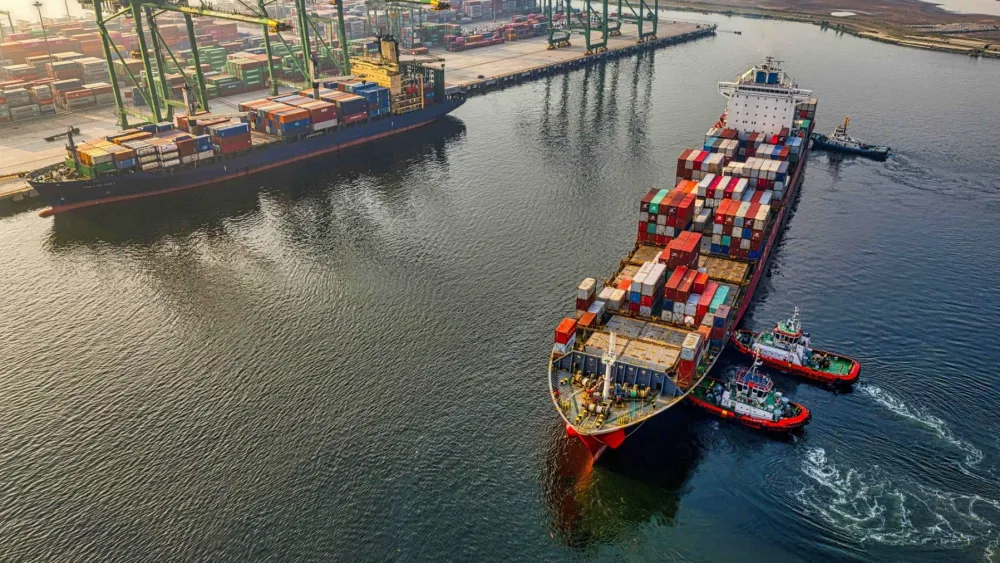
Recently, Christopher Ong, the Managing Director of DHL Express in Singapore, discussed the logistics industry's future changes over the next ten years. The COVID-19 pandemic has caused supply chain issues such as sourcing difficulties, demand and supply imbalances, and inflation in 2023. Therefore, technology will be crucial in developing strong and effective supply chains, offering customers transparency and flexibility in product movement.
To tackle these challenges, DHL Express Singapore has already started adopting new technologies. Sustainability is now a significant trend in the industry, increasing the need for sustainable aviation fuel, electric vehicles, and automation. Christopher Ong thinks alternative energy solutions can align with social and business trends. As part of DHL's commitment to sustainability, they've introduced "go green plus," a new service allowing customers to invest in sustainable aviation fuel and offset their carbon emissions by paying extra.
Investing in sustainability can help businesses save money despite unpredictable costs. Electric vehicles have lower operating costs than traditional engines. Robotics and automation are emerging technologies that can enhance supply chain efficiency while reducing labor demand, which was in short supply during the pandemic. In conclusion, while the logistics industry might encounter challenges in 2023, technology can strengthen supply chains and improve efficiency. By adopting new technologies and investing in sustainability, companies can cut costs and remain competitive.
To know more, watch the full interview.
#SingaporeBusinessReview























 Read Here
 Advertise
 Sign Up







Commentary
Where does value creation really happen?
Managing the cost of diverging standards: Why Singapore matters
Singapore’s AI ambition has an intelligence problem
Singapore is deploying AI at speed – and security risks are catching up
Precious metal boom is a stress test for Singapore’s gold ambitions
Singapore’s global dispute fault lines
‘Tokenmaxxing’ – The wrong AI race to run in Singapore
To outsmart modern fraud, we must first know the enemy
Why Singapore SMEs cannot wait for quantum cyber risk to arrive before securing data