
Transformational M&A delivers outsized returns for Singapore firms
Transformational deals outperform traditional ones.
Transformational mergers and acquisitions (M&A) are reshaping corporate strategy, with companies that pursue such deals delivering significantly higher shareholder returns compared to traditional approaches. Deloitte data shows transformational M&A delivering 464% shareholder returns—far above typical transactions.
Jiak See Ng, Deloitte Asia Pacific’s Strategy, Risk and Transactions Leader, explained the distinction: “Transformational M&A stand apart from the traditional M&A because it's not just a one single transaction being done on an ad hoc basis. It is really rooted in the acquiring company's strategy and being supported by the top leadership to help the change.”
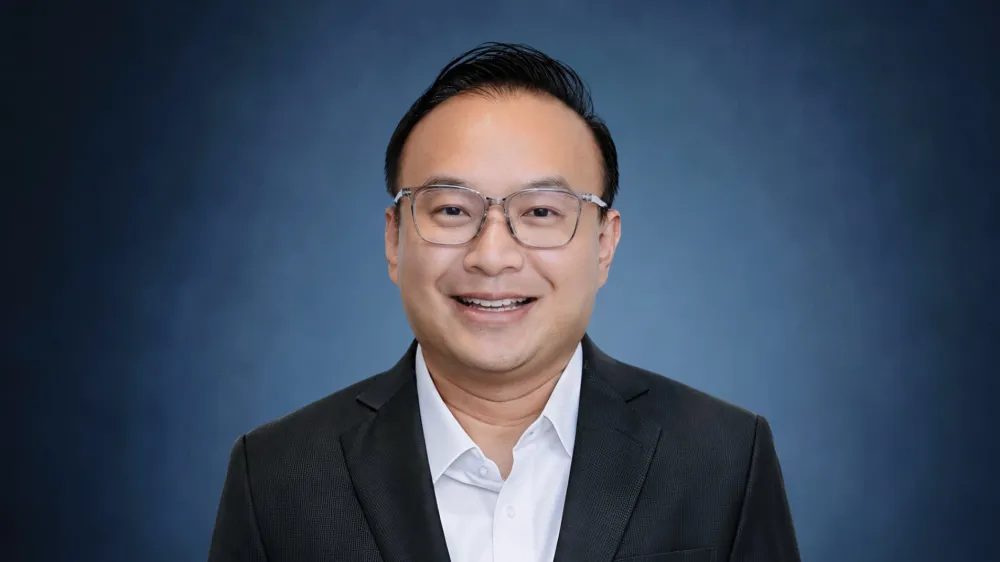
Goh Soo Jin, CEO of PrimeMovers Equity, stressed that vision and execution are critical. He added: “When strategic vision, operation and execution is combined with disciplined entry valuations and sustainable use of leverage, you create a very powerful compounding effect, which delivers the outside returns you see in such deals.”
In Singapore, where the market is a mature regional hub, transformational M&A plays an even greater role. “The companies that adopt a transformational mindset in Singapore will outperform their peers,” said Ng. She pointed to firms using M&A to “address challenges like geopolitical risk, tariffs, uncertainties, including supply chain,” while also adopting AI and repositioning for volatile markets. Strong governance and board-level backing, she said, are critical to outperforming competitors.
For Goh, Singapore’s traditionally conservative corporate culture leaves significant headroom for consolidation. “We see significant untapped potential in consolidation and driving synergies, and this is increasingly important with geopolitical uncertainty, economic volatility and rapid technological innovation,” he said.
Family-owned businesses facing succession challenges, he added, could use transformational M&A to provide “new leadership and strategic direction for the next growth cycle, without which they risk going into decline and irrelevance.”
But risks remain. “The biggest risk for the companies here in the local market is to do nothing, to not react,” Ng warned, urging firms to remain dynamic with acquisitions, joint ventures, and portfolio reviews.







![[Singapore Business Review] Report on the Asian Business Channel](https://www.cmgassets.com/s3fs-public/styles/video_thumbnail/public/2026-10/full-show-thumbnail_1.png.webp?VersionId=bJbrT_JKOuMWBnf7YkmsWjOSWIXddSvY&itok=zWuxHRNG)











 Read Here
 Advertise
 Sign Up







Commentary
When scale arrives before proof: Singapore’s capital allocation question in Southeast Asia
Rethinking fleet ownership in a changing business landscape
Beyond the chips: The materials behind Singapore’s AI infrastructure
How homegrown brands are redefining premium in Asia
AI in hospitality: Where should Singapore’s F&B operators draw the line?
Do Singapore workplaces mistake silence for leadership?
AI as the new competitive advantage for Singapore’s small retailers
Singapore's next payments opportunity